
-
She left a military desk job in her prime to raise three kids instead — hauling us through the market, fielding strangers’ stares and sympathy, just to keep us fed and whole. She never once complained, even as it wore her down. Her love showed up quietest at the dumpling table, hands folded into dough, family folded into her.
-
By 2am my grandmother was already shaking her awake. The lorry, sixteen wheels, tall as a house, wouldn’t arrive until 5am, but timing it right across so many households near the water was never simple, especially with the flood water rising fast. My mother would wait in the dark and cold, half-asleep, until it was time to go. School didn’t start till 7.30am, but they’d already be there by 6am, napping on benches until the gates opened. Afterward came the cleaning, the ruined chairs, the tables, the small sentimental things the water simply took. It was enough to make a young girl swear she’d move to a city one day, and never live like this again.
-
At two, she lost her mother to a trick and a lie. By twenty, she lost her own wedding to someone else’s plan. In between and after, she learned to survive by being useful, agreeable, impressive, anything to avoid feeling unwanted again. A Mercedes they couldn’t afford, a country club they couldn’t justify, a smile that rarely cracked even when it should have. Now, in her later years, there’s still time to say the words she’s waited a lifetime to hear: Mom, I appreciate you in my life.
-
My mother sewed my wedding gown by hand, simple lace, no designer label, just her love stitched into every seam. My husband and I kept the celebration small: forty loved ones, four tables, a seafood dinner at East Coast. Some guests didn’t even realise it was our wedding until they arrived. What I remember most isn’t the dress or the venue though. It’s my two-year-old niece, mid-meltdown, patting her own tears away and whispering “don’t cry, don’t cry” to herself. That’s the moment our whole family still laughs about, decades later.
-
He remembers when $350 a month was a good wage, when 50-cent chicken rice made it stretch, and when queuing an hour just to ride a train felt like the most exciting thing in the world. Sixty-three years old this year, he’s watched Singapore transform from kampong zinc roofs to underground trains — and NS, factory shifts, and roadside supper sessions along the way. His son finally asked him to tell the whole story.
-
Dusty roads, sugarcane shadows, and hearts pounding with mischief. Aunt Carol and her friends crouched low, waiting for the exact moment a worker’s back was turned or a stray stalk tumbled from an overfilled cart. Then came the dash, the grab, and the scramble back into hiding. Under the shade of a banana tree, one bite of raw, syrupy sweetness made every risk worth it.
-
She never asked for much herself. Up at 5 a.m. every day, stretching every dollar, feeding everyone before herself. Behind an arranged marriage and a lifetime of quiet responsibility was a woman who kept her family’s future safe in her own two hands. My Ah Ma’s love was never spoken aloud. It was measured in early mornings, packed meals, and never once thinking of herself first.
-
Long days of hard labour, then evenings perched on parked lorries with friends who felt like family. My grandmother’s happiest years weren’t easy ones. They were simple, shared, and full of laughter along Amoy Street.
-
One of my most memorable memories of her is how she never gave up, even during difficult times. After her stroke, she continued to show courage and patience despite challenges she faced. Watching her strength taught me the true meaning of perseverance and unconditional love.
-
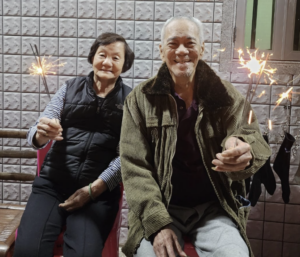
By the time we were all grown, her hands had become worn and wrinkled from years of labour. Yet, she never expressed regret. She would say she had lived a meaningful life. She did not regret marrying my father, leaving her hometown, or coming to Singapore alone without family or friends.
