
All posts tagged in: Memories
-
He remembers when $350 a month was a good wage, when 50-cent chicken rice made it stretch, and when queuing an hour just to ride a train felt like the most exciting thing in the world. Sixty-three years old this year, he’s watched Singapore transform from kampong zinc roofs to underground trains — and NS, factory shifts, and roadside supper sessions along the way. His son finally asked him to tell the whole story.
-
Dusty roads, sugarcane shadows, and hearts pounding with mischief. Aunt Carol and her friends crouched low, waiting for the exact moment a worker’s back was turned or a stray stalk tumbled from an overfilled cart. Then came the dash, the grab, and the scramble back into hiding. Under the shade of a banana tree, one bite of raw, syrupy sweetness made every risk worth it.
-
Long days of hard labour, then evenings perched on parked lorries with friends who felt like family. My grandmother’s happiest years weren’t easy ones. They were simple, shared, and full of laughter along Amoy Street.
-
Born in 1938 to a father who believed school was only for sons, my mother never spent a single day in a classroom. By eight, she was already sweeping floors, cooking, and raising her siblings while her brothers were sent to study. Long before she could read a single word herself, she made sure her younger sisters never missed a day of school and only in her twenties, through free night classes, did she finally learn to read and write.
-
One of my most memorable memories of her is how she never gave up, even during difficult times. After her stroke, she continued to show courage and patience despite challenges she faced. Watching her strength taught me the true meaning of perseverance and unconditional love.
-
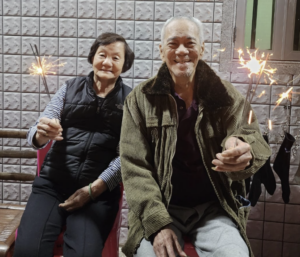
By the time we were all grown, her hands had become worn and wrinkled from years of labour. Yet, she never expressed regret. She would say she had lived a meaningful life. She did not regret marrying my father, leaving her hometown, or coming to Singapore alone without family or friends.
-
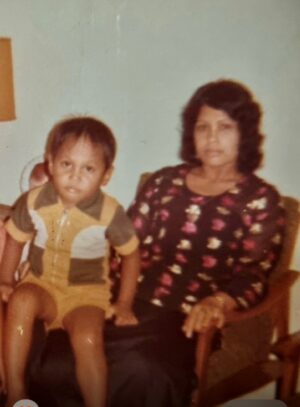
My siblings and I, as we listened to this story through our years of growing up in poverty, took it as a lesson and recognize that the world exists as such. We are reminded to always stand up for ourselves and jostle for our place in society. More importantly, even if all efforts fail and we have to face some embarrassment, we must always finish the race.
-
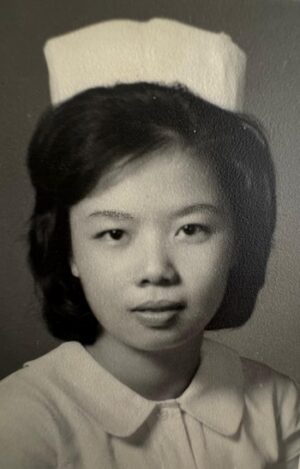
Caring for mothers and newborn babies became more than a profession—it became her gift to the world. She brought warmth, reassurance, and strength to countless families during some of the most important moments of their lives.
-
I once asked my mother, “What was the unhappiest time in your life?” She replied that she felt a sense of emptiness and sadness when I went off to university and started working—that she felt like she no longer had a place in my life. Her colleagues even told me the same thing, saying that during that time, they saw her desk filled with A4 sheets covered with my name written over and over again.
3 months ago -
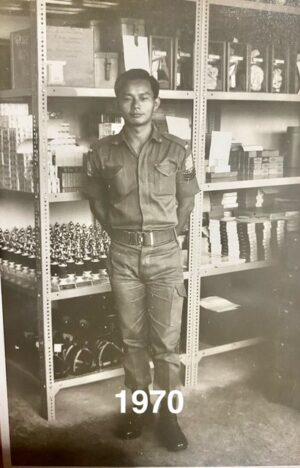
He remained in the Optical Maintenance Platoon for 22 years, rising through the ranks to Warrant Officer II. The years in the army instilled in him discipline, perseverance and a habit of systematic planning. My dad often proudly displayed the many awards and medals received through his tenure.

