
All posts tagged in: Family
-
She left a military desk job in her prime to raise three kids instead — hauling us through the market, fielding strangers’ stares and sympathy, just to keep us fed and whole. She never once complained, even as it wore her down. Her love showed up quietest at the dumpling table, hands folded into dough, family folded into her.
-
At two, she lost her mother to a trick and a lie. By twenty, she lost her own wedding to someone else’s plan. In between and after, she learned to survive by being useful, agreeable, impressive, anything to avoid feeling unwanted again. A Mercedes they couldn’t afford, a country club they couldn’t justify, a smile that rarely cracked even when it should have. Now, in her later years, there’s still time to say the words she’s waited a lifetime to hear: Mom, I appreciate you in my life.
-
My mother sewed my wedding gown by hand, simple lace, no designer label, just her love stitched into every seam. My husband and I kept the celebration small: forty loved ones, four tables, a seafood dinner at East Coast. Some guests didn’t even realise it was our wedding until they arrived. What I remember most isn’t the dress or the venue though. It’s my two-year-old niece, mid-meltdown, patting her own tears away and whispering “don’t cry, don’t cry” to herself. That’s the moment our whole family still laughs about, decades later.
-
She never asked for much herself. Up at 5 a.m. every day, stretching every dollar, feeding everyone before herself. Behind an arranged marriage and a lifetime of quiet responsibility was a woman who kept her family’s future safe in her own two hands. My Ah Ma’s love was never spoken aloud. It was measured in early mornings, packed meals, and never once thinking of herself first.
-
Born in 1938 to a father who believed school was only for sons, my mother never spent a single day in a classroom. By eight, she was already sweeping floors, cooking, and raising her siblings while her brothers were sent to study. Long before she could read a single word herself, she made sure her younger sisters never missed a day of school and only in her twenties, through free night classes, did she finally learn to read and write.
-
My father never spoke about hardship in a dramatic way — his strength showed up quietly, in folded laundry, dinners cooked without complaint, a light left on for whoever came home late. No titles, no applause, just decades of steady giving. Now older, all he wants is simple: his children safe, healthy, and home for meals.
-
I grew up in a kampung near Yio Chu Kang, one of twelve children in a family where money was always tight. I went on to spend more than forty years as a dedicated assistant chemist, rarely missing a single day of work. My hope is simple: study hard, work hard, and doors will open that earlier generations could only dream of.
-
One of my most memorable memories of her is how she never gave up, even during difficult times. After her stroke, she continued to show courage and patience despite challenges she faced. Watching her strength taught me the true meaning of perseverance and unconditional love.
-
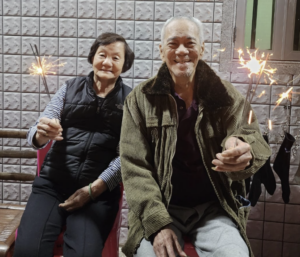
By the time we were all grown, her hands had become worn and wrinkled from years of labour. Yet, she never expressed regret. She would say she had lived a meaningful life. She did not regret marrying my father, leaving her hometown, or coming to Singapore alone without family or friends.
-
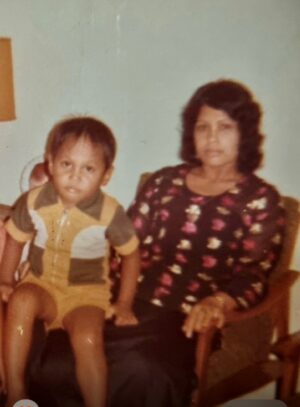
My siblings and I, as we listened to this story through our years of growing up in poverty, took it as a lesson and recognize that the world exists as such. We are reminded to always stand up for ourselves and jostle for our place in society. More importantly, even if all efforts fail and we have to face some embarrassment, we must always finish the race.
