
Author: Yang Jiaying 楊佳穎
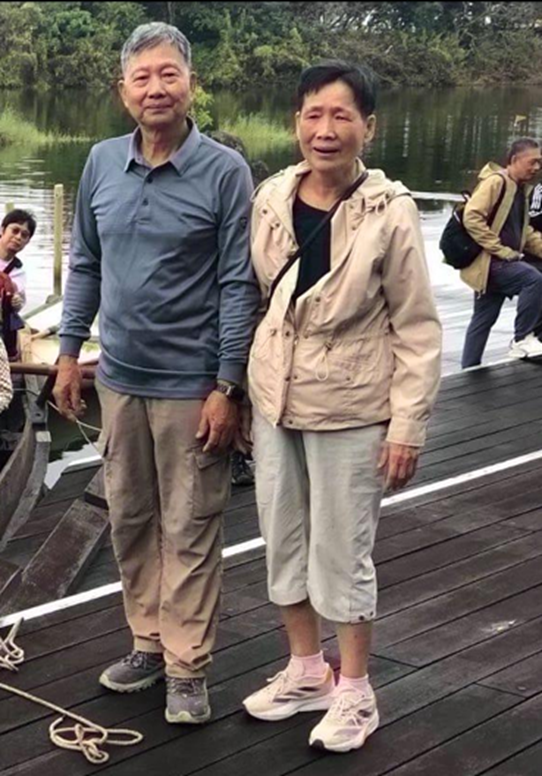
To be honest, I don’t really like my grandma. I have lived with her ever since I was born. It’s not that she treats me badly, but I’ve never quite liked certain aspects of her behaviour. That dislike is not hatred; rather, sometimes the way she speaks or reacts makes me feel pressured, suffocated, and even distant from her. The relationship between Grandma and my father has always been a mystery to me. It is a connection that feels both familiar and estranged, like family members who are deeply bonded, yet also like enemies who cannot be separated. Although I am almost twenty years old now, I still don’t understand why they can sometimes chat and laugh like good friends, yet at other times clash fiercely, even arguing over trivial matters.
Perhaps it is because their personalities are too similar. Both of them love to talk, both have loud voices, like two speakers who both need the stage. Once a conversation begins, neither is willing to back down. Whenever my father speaks at the dining table, Grandma cannot help but interrupt, as if she refuses to let the spotlight be taken away. Yet at times I feel that she is not trying to win an argument, but simply wants to be noticed and heard. When I was younger, I once asked my father, “Do you not like Grandma?” He fell silent for a moment, then said with a heavy tone, “When people get old, their personalities naturally change. I still love your grandma very much, but I find that I can no longer stay in the same space with her for too long.” At the time, I didn’t quite understand what he meant; I only sensed his helplessness.
It was only as I grew older that I slowly came to understand that Grandma is someone who desperately needs responses, while my father happens to be someone who is not inclined to give them. After entering university, I rarely went home. Schoolwork and part-time jobs kept me extremely busy. However, every time I did return home, Grandma would always be the first to walk over, her face full of smiles, asking, “Have you been well recently? Have you eaten? Are you tired from school?” Once she started talking, she couldn’t stop. She would talk about the neighbours’ situations, the TV dramas she had watched, even the rise and fall of vegetable prices at the supermarket, she could go on for half an hour.
To be honest, most of the time I didn’t really understand what she was talking about, nor was I particularly interested. Still, I tried my best to respond to her and acknowledge her. No wonder she likes talking to me so much, perhaps this is one of the rare moments when she feels needed and understood. I also don’t really like Grandma’s old-fashioned ideas. After entering university, I spent most of my winter and summer breaks at home, but as I grew older, I became someone who loved going out. Whenever I had a day off from work, I would almost always go out with friends to hang out, chat, or watch movies, staying out all day and often not returning home until late at night.
Grandma never seemed able to understand why I was always “nowhere to be seen every few days.” Every time she saw me, she would lecture me, saying things like, “A girl shouldn’t be running around outside all day, it’s unsafe,” or “You don’t know how to take care of the family.” I know these are ideas rooted in her generation. In her worldview, the home is the source of security. But for me, spending time with friends is how I recharge and relax. This generational gap often leaves me feeling powerless, as though there is an invisible wall standing between us.
Some time ago, Grandma accidentally fell while going downstairs and fractured a bone. For several months, she almost completely lost her mobility, and our entire family had to take turns caring for her. The person who had always been bustling around, controlling everything in the kitchen, suddenly became us. My father prepared the ingredients, my mother cooked, and I helped serve dishes and clear the table. During that period, the dining table became unusually quiet. Without Grandma’s voice, the whole house seemed to lose its familiar liveliness. I suddenly found myself missing that noisy dining table, missing the bickering between my father and Grandma, missing that atmosphere where “neither side would ever give in.”
It was also during that time that I truly felt that Grandma had really grown old. She lay in bed with messy hair, her voice weak and faint, yet she still insisted on asking, “Did you eat enough today?” In that moment, my nose stung with tears. I finally realized that behind all her nagging, complaints, and criticism was her deep concern for her family. It was simply expressed too directly, making it difficult to accept at times.
Although Grandma’s behaviour sometimes makes me unhappy, I have gradually come to understand that these conflicts are actually the most precious things of all. Her nagging, her stubbornness, and her concern together form the most authentic picture of our family. Perhaps it is precisely because of her that our home has warmth, sound, and emotional flow. Looking back now, I understand my father’s words better. Love does not necessarily mean getting along happily, but rather that even amid constant arguments, one still cannot bring oneself to let go of that person.
Grandma may never become “modern” or “open-minded,” but she remains the center of our family. She has taught me one thing: loving someone does not require liking everything about them. Sometimes, it simply means learning to tolerate and learning to understand. Perhaps one day, when she is no longer here, what I will miss will not only be her laughter and stories, but also those nagging words that once annoyed me so much because that is the sound of home.
老實說,我並不喜歡我的阿嬤。從我出生開始就和她一起生活,她沒有對我不
好,只是我始終不太喜歡她的某些行為,那種不喜歡並不是仇視,而是有時候
她的話語或反應,總讓我覺得壓迫、窒息,甚至難以親近。阿嬤和爸爸的關
係,對我來說永遠是一個謎,那是一種既熟悉又疏離的連結,像是感情深厚的
家人,也像是無法分開的敵人。雖然我已經快二十歲了,但我仍然不懂為什麼
他們有時能像好朋友一樣聊天說笑,有時卻又針鋒相對,甚至為了很小的事情
吵起來。或許是因為他們的個性太像了吧,都喜歡說話、嗓門又大,像兩個需
要舞台的演講者,一旦話題開始,就誰也不肯退讓。每當爸爸在餐桌上講話,
阿嬤總是忍不住插嘴,彷彿不願讓風頭被搶走,但有時我又覺得,她並不是為
了爭輸贏,而是單純想被注意、被聽見。 我小時候曾經問過爸爸:「你是不是
不喜歡阿嬤啊?」那時他沉默了一下,語重心長地說:「人老了,個性本來就會
變得不一樣。我還是很愛妳阿嬤,只是發現越來越沒辦法和她待在同一個空間
太久。」這句話我那時聽不太懂,只覺得爸爸有點無奈。直到後來長大,我才
慢慢明白,其實阿嬤是一個非常需要回應的人,而爸爸恰好不是那種願意回應
的人,上了大學後我不常回家,課業與打工都讓我忙得不可開交。不過每次回
家,阿嬤總會第一個走過來,滿臉笑容地問我:「最近好不好?吃飽沒?學校累
不累?」然後一開口就停不下來。她會講鄰居家的近況、講她看過的電視劇
情,甚至連超市菜價的漲跌都能聊上半小時。老實說,我很多時候都聽不太
懂,也沒有太大的興趣,但我還是會努力地回應她,肯定他,也難怪她這麼喜
歡跟我說話,這或許是她覺得被需要、被理解的一刻。我其實也不太喜歡阿嬤
那些老古板的想法,大學之後的寒暑假我都待在家裡,長大以後我變得很愛出
去玩。只要打工休假,我幾乎都會約朋友出門聚會、聊天、看電影,一整天在
外面,常常到晚上才回家。但阿嬤似乎永遠無法理解,為什麼我總是「三天兩
頭不見人影」。每次見到我,她都要唸我一頓,說我「女孩子家整天往外跑不安
全」、「不懂得顧家」。我知道那是她那一代人的想法,她的觀念裡,家的存在才
是安全感的來源。可對我而言,與朋友相聚反而是我充電放鬆的方式。這種代
溝讓我常常覺得無力,也覺得我們之間像隔著一道看不見的牆。前陣子,阿嬤
下樓時不小心跌倒,導致骨折,那幾個月裡,她幾乎完全失去了行動能力,我
們全家因此要輪流照顧她。以前總是忙進忙出、在廚房掌控一切的角色,忽然
換成了我們,爸爸負責準備食材,媽媽掌廚,我則幫忙端菜、收拾碗盤,那段
時間的餐桌特別安靜,少了阿嬤的聲音,整個家似乎也失去了熟悉的熱鬧,我
突然開始懷念那個吵吵鬧鬧的飯桌,懷念爸爸和阿嬤之間的鬥嘴,懷念那種
「誰也不肯讓誰」的氛圍。也是在那段時間,我才真正感受到,阿嬤真的老
了。她躺在床上,頭髮凌亂、說話氣若游絲,卻仍然堅持要問:「你今天有沒有
吃飽?」那一刻我有些鼻酸。原來在那些嘮叨、抱怨與批評背後,其實藏著她
對家人深沉的關心,只是表達方式太過直接,讓人一時無法接受。雖然阿嬤有
時候的行為讓我不開心,但我漸漸明白,這些衝突其實是最珍貴的存在。她的
叨念、她的固執、她的關心,構成了我們家最真實的樣貌。或許正因為有她,
我們的家才有溫度、有聲音、有情感的流動。現在回頭想想,我也更能理解爸
爸那句話的意思——愛不一定是相處愉快,而是即使爭吵不斷,心裡仍然無法
割捨那個人。 阿嬤可能永遠不會變得「現代」或「開明」,但她仍是我們家的
中心。她讓我學會了一件事:愛一個人,不一定要完全喜歡他的一切,有時候
只是學著包容、學著理解。也許有一天,她不在了,我會懷念的不只是她的笑
聲和故事,還有那些曾經讓我煩躁不已的嘮叨與碎念。因為那,正是家的聲
音。