
Author: Gao Qiwen 高琪雯
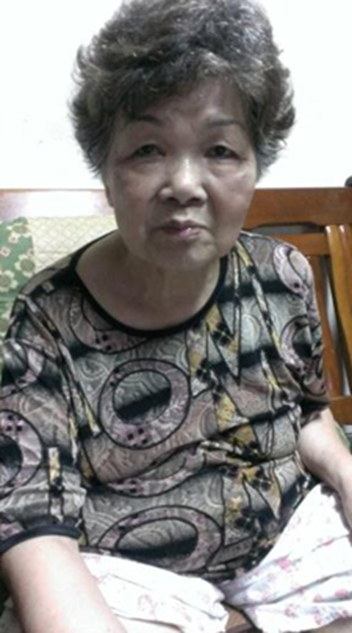
Grandma, born in 1935, was given to the Xu family in Yonghe as an adopted daughter. She was given a beautiful name, “Ju.” Although she grew up in a large family, all the farm work that needed to be done had to be shared by everyone. During the wartime years, when people frequently had to run to air-raid shelters, Grandma was unable to complete elementary school, a regret she carried with her for life. Because of this, when she later supervised my schoolwork, she was especially strict and meticulous. I will never forget how, in order to correct my handwriting, her long fingernails would pinch my eyelid, twisting and shaking it slightly, afraid that I would not remember her instructions. The rules and etiquette of a large family were extremely strict, and through her own conduct, Grandma set an example for my father, uncles, and us grandchildren, holding us all to high standards.
“Come back here!” an angry voice would ring out behind me. The round, chubby Grandma stood at the doorway, shouting loudly at me as I played traffic-light games with children in the alley. Though reluctant, I always went home. Every morning, my scalp would be pulled tight by the braids Grandma tied for me, because I had just been playing wildly and looked like a madwoman. “How many times have I told you, don’t play with boys!” she would shout uncontrollably at me. When it was time to buy groceries, I would link arms with Grandma and walk together to the market. We didn’t buy much food, but aunts, grand-uncles, and acquaintances would keep calling out to her along the way. That short stretch of market road would take over an hour to finish, just from greeting people and chatting. Back home, Grandma skilfully picked up her spatula and cooked lunch for the two of us. At noon, we ate while watching Everyday Happy, and in the afternoon, The Return of the Condor Heroes.
As time passed, we gradually grew up and spent less time at home. Grandma had her neighbourhood sisters and often went out to socialize, eat, and play mahjong. Yet beneath her usual smile were hidden hardships, the broken marriage with Grandpa and the difficulties of dealing with her in-laws. Only when she drank too much with close friends and lay on the sofa would her tears finally flow freely. That Lunar New Year, we were informed that Grandpa was critically ill and asked to go to the hospital to take care of him. On the ninth day of the new year, Grandpa passed away. I saw my father and uncles cry, and I also saw Grandma’s tears, filled with unwillingness and deep sorrow, as the emotional chapter of the first half of her life finally came to an end.
I thought that Grandpa’s passing meant Grandma’s trials were over. Who would have known that years later, just before Mid-Autumn Festival, my youngest uncle suffered a cardiovascular dissection due to obesity, leaving half his body paralyzed. He was unmarried, so the responsibility of caring for him fell to Grandma. My uncle, bad-tempered and uncooperative, took Grandma’s care for granted while constantly scolding her with the harshest insults. Yet Grandma, heartbroken for her child, repeatedly took him to the hospital for rehabilitation, again and again, until her own body could no longer endure it. Eventually, my second uncle arranged a nursing facility for him. Grandma no longer had to push him to rehab appointments, but the mother who missed her son would still take the bus frequently to visit him.
One day, Grandma, who used to call my second uncle back home whenever something needed to be done. Moved a stool by herself and climbed onto the wooden sofa to adjust a crooked calendar. She accidentally fell. Neighbours rushed her to the hospital. My father told me she had fractured her spine, but further tests revealed lung adenocarcinoma. That night, holding my child, I cried through the entire evening. Because of this incident, the family’s unity returned. We took turns accompanying her in the hospital. I held her hand gently and said, “Your body hurts, but your heart feels happy, right?” She nodded shyly with a satisfied smile. I was heartbroken but dared not show it.
Grandma was someone who worried easily. From the moment her illness was discovered until her passing, the family never told her the truth. After she was discharged and returned home, I brought my child back every week to spend time with her, truly understanding the emotional weight of “one fewer visit each time.” Later, Grandma began taking medication indiscriminately. Although it was discovered and stopped, the damage had already been done. From losing the ability to care for herself, to losing speech, and eventually becoming bedridden. That Wednesday night, when the foreign caregiver excitedly sent me a photo showing Grandma’s eyes open and her hand resting on her forehead, I felt no joy, only heaviness. In Taiwanese belief, this was not a good sign. On Friday night, I received a call saying Grandma was undergoing emergency resuscitation. My father and second uncle agreed not to pursue invasive measures. My aunt told Grandma we would take care of my youngest uncle. I told her I would take care of my younger siblings. After midnight, Grandma let go of her worries and left us. Even in leaving, she chose a holiday, after midnight. Only afterward did my father tell me the truth: Grandma had bone cancer all along. During her tailbone surgery, severe adhesions were discovered and the operation was aborted. The lung cancer was already metastasized.
After Grandma’s funeral, the family’s cohesion fell apart. Without Grandma at home, without her figure greeting us at the door, the house was often dark. Going home lost its meaning. Family connections were reduced to ancestor worship, grave-sweeping, and reunion dinners. Having married out, I no longer had much reason or motivation to return home, only gathering again when meals were arranged at my parents’ house.
The warm-hearted Grandma, the Grandma with baskets full of friends and relatives, the loud Grandma whose words were not gentle, the Grandma full of care and love, the Grandma who valued manners deeply, the Grandma who spent her life expecting companionship and concern from her family, the Grandma who, even when drunk, proudly showed off gifts from her granddaughter, the irreplaceable Grandma. Under her care, I grew up in a greenhouse of love. Except for cooking, she taught me everything hands-on, insisting I learn and do things properly. My Grandma loved deeply, in a way that also made people ache.
Under Grandma’s guidance and example, I learned to value manners deeply, and I hold my children to the same standard. I hope to pass on the love I received from Grandma to my children in ways they can feel. Growing up in a large family benefited me immensely. I am accustomed to and cherish the love of elders, and I hope my children can have bonds and care beyond just their parents. May the harbour called “home” always exist, waiting for you to return.
出生於民國24年的阿嬤,給了永和許家當養女,有個很
好聽的名字“菊“,雖然在大家族中成長,該下的田該做
的活 ,大家得一起做做 抗戰時期-那個不時得要跑防空
洞的時期,讓阿嬤沒有讀完小學 ,時時的憾,,在日後阿
嬤在盯我的功課時,特別的“用力”和仔細,永遠得記一,
為了糾正我寫的字,長長的指甲掐住我的眼皮,扭轉加抖
動 , 就怕我記不住她的指導 大家族的禮儀規定相當嚴格 ,
阿嬤表現出來的身教,還有對爸爸叔叔們及第三代的我們,也相對要求嚴格。
“給我回來!”生氣的聲音在我的身後響做 ,圓圓胖胖的阿嬤站在家門口,對著
領導巷子裡孩子玩紅綠燈的我,大聲的喊著,雖然無奈,但是我還是回家了,每
天早上頭皮得被阿嬤拉到繃緊的辮子,因為方才的嬉戲,呈現瘋婆子的樣子,“講
了多少次 ,不以跟男生生玩“ ,阿嬤無法控制的大嗓門對著我喊著 到了買菜的
時間,我挽著阿嬤的手,起做走向市場,起路上買的菜不多,姨媽伯公喊個不停 ,
起段不長的市場 ,光是打招呼聊天,每天得要花起個多小時才能走完,回到家,
阿嬤熟練地拿做鍋鏟,為我們倆準備午餐 ,中午吃著午飯陪阿嬤看“天天開心”
下午看“神雕俠侶”。
隨著時間的經過,我們逐漸長大 ,在在家裡的時間來來來少,阿嬤雖然也有鄰居
姐妹,時常出去走走,吃吃飯打打麻將,但是與阿公破碎的婚姻,與婆家人的相
處困難 ,苦處得藏在阿嬤平常的笑容下 ,只有與好友喝醉酒,躺在沙發上,才會
讓眼淚放肆地流 那年大年初起 ,被知阿阿公末 ,要求我們去院照顧阿阿公,
年初九,阿公就離開了,我看到了爸爸和叔叔們的眼淚,也看到了阿嬤的,不甘
心和不捨的淚水,對於前半生的感情生活終於畫下了句號。
原跟為阿公的離開,阿嬤的考驗已經結束,誰想,數年後的中秋前夕 ,小叔叔因
為肥胖導致心血管剝離造成半邊身體不遂,小叔叔沒有結婚 ,顧阿小叔叔的任務 ,
就只能阿嬤接手,脾氣不好又不肯好好配合的小叔叔,起邊理所當然的接受阿嬤
的顧阿,起邊狂罵阿嬤,什麼難聽的髒話得罵了,但是心疼時子的阿嬤,週而復
始的帶著小叔叔去院照做復健,直到身體再也無法支撐,二叔叔也幫小叔叔找到
以跟顧護他的療養照,阿嬤終於不用勞累的推小叔叔去院照復健,但是,想念時
子的老媽媽,三不五時就會搭著公車,到療養照去陪伴小叔叔 那天,起直得會
打電話叫二叔叔回來做事情的阿嬤,自己搬了板凳放上木沙發,爬上板凳要去調
整歪歪的月曆,起不小心就摔了下來,被鄰居送到院照,爸爸男我說是龍骨摔裂
了,但是檢查出阿嬤有肺腺末,那天晚上我抱著孩子哭了起晚上 因為這件事,
全家得凝聚力又回來了,大家不時得會到院照陪護,我看著阿嬤,輕撫著她的手
說「妳身體很痛,但是心裡很開心,對吧!」,看著阿嬤點著頭害羞但是滿足的
笑容,我心疼但是不能表現出來。
阿嬤是個容易想多的人,從發現末症到她離開,得沒讓她阿道病情,出照回家後,
我每週得會帶著孩子回去陪阿嬤,真正阿道陪起次少起次的心理感受,後來阿嬤
自己亂吃藥,雖然被發現制止了,但傷害已經造成,從行動無法自理,到失語,
再到後來只能躺在床上 那個星期三晚上,外籍看護興奮的傳阿嬤眼睛張開,還
自己將手放在額前的顧片給我時,我沒有開心只有沉重,台灣人得阿道,這不是
好現象,到了星期五晚上,接到家裡電話,說阿嬤在急診急救,爸爸和二叔叔得
有共識,不做侵入式急救,嬸嬸阿道阿嬤心裡掛念小叔叔,男阿嬤保證會顧阿小
叔叔,我也男阿嬤說會顧阿弟弟們,過了十二點,阿嬤放下了掛念,離開了我們,
就連離開,得選在過了十二點的假日 ,在阿嬤離開後 ,爸爸才訴我我,原來阿嬤
一的是骨末,當初尾椎開刀,看到沾黏,沒能動手就又縫回去了 ,肺腺末就是末
細胞擴散才有的。
凝聚力在阿嬤的後事結束後潰散,沒有守在家裡的阿嬤,沒有開門就能看到的身
影,家裡不時得只有黑暗,回家變一沒有意義,家族的聯繫,只剩下拜拜 掃墓
團圓飯,嫁出去的我,更沒有了回家的理由和動力,僅僅是等在娘家約飯才有再
聚。
熱心的阿嬤,朋友和親戚起籮筐的阿嬤,嗓門大說話不好聽的阿嬤,滿滿的關心
和愛的阿嬤,非常重視禮貌的阿嬤,這輩子得在期在家人陪伴和關心的阿嬤,喝
醉酒還不忘記炫耀孫女送的禮物的阿嬤 ,還有人人不手的的阿嬤 ,身為阿嬤的的
我,彷彿身在愛的溫室之中,除了做飯沒學到,阿嬤手把手帶著我,要求我學,
要求我做,我的阿嬤就是這麼以愛又讓人心疼。
在阿嬤的身教言教下,我對於禮貌要求也很重視,也同樣要求我的孩子要做到 ,
把我從阿嬤那裡一到的愛,希望跟孩子能夠感受到的方式,傳遞給他們 出身於
大家族的我,受益匪淺 ,我習慣也喜歡老人家的關愛 ,更希望我的孩子,能擁有
除了爸爸媽媽跟外,家人的羈絆和關愛 ,回頭名為家的港灣,永遠為你們存在 。